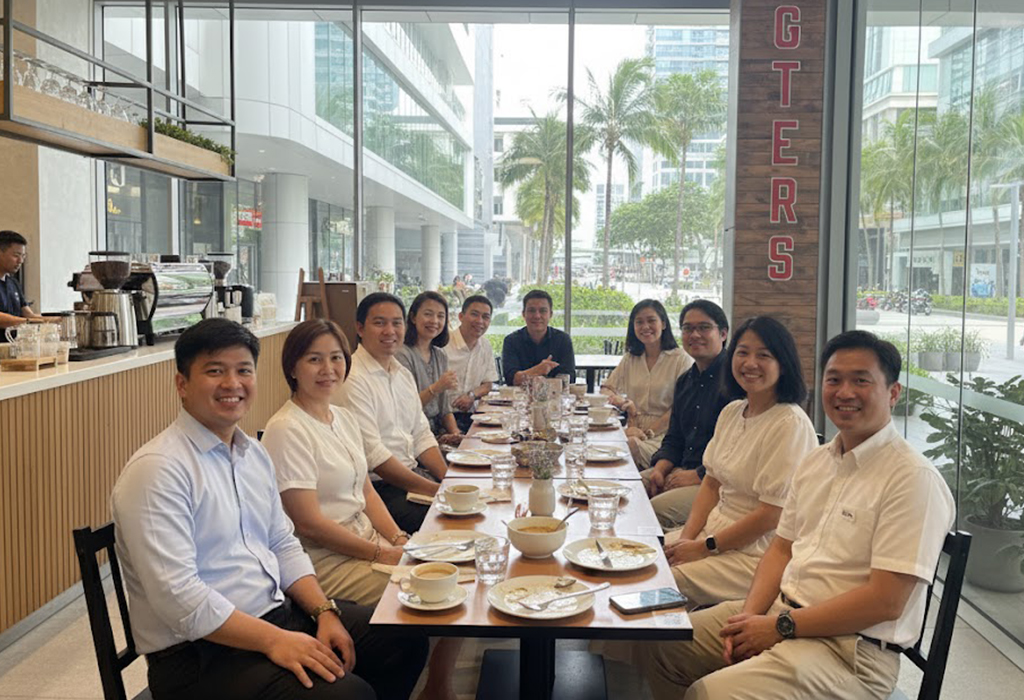

You show up at a networking event, a business gathering, or an online community fully expecting to gain leads.
You prepare your pitch.
You rehearse your introduction.
You choose the place specifically because you believe it’s where business will happen.
And somehow…
You don’t get any sales.
No referrals.
No solid leads.
Yet in a completely random place — a casual meetup, a café chat, a comment section, or an unexpected conversation — someone buys from you or refers you a customer instantly.
Why does this happen?
Here’s the truth most people never talk about.
1. Planned settings make you unintentionally “sales-focused”
When you go somewhere expecting to get leads, you naturally switch into a subtle sales mode.
Even if you don’t push aggressively, people can still feel the “I want to close something” vibe.
In unplanned settings, you’re natural, relaxed, and more human — and that energy creates trust faster.
2. You sound too rehearsed in planned settings
When you practice what to say, you may sound clean… but not relatable.
Real buyers connect with real stories, not perfect pitches.
In random situations, you’re casual and real — and that is more convincing.
3. You are one of many sellers in a planned networking space
In rooms full of business owners, everybody is both selling something and protecting themselves from being sold to.
The competition is high, and the mental guard is strong.
But in unexpected settings, you stand out as the only expert in the conversation.

4. People don’t remember you because your environment blends everyone together
At business events, introductions are fast, short, and forgettable.
You become “just another business owner” in the mix.
Unexpected moments create stronger memories because the environment is unique.
5. You’re too focused on the outcome instead of the connection
When you expect leads, you measure every interaction:
-
Did they seem interested?
-
Can I pitch them?
-
Should I follow up?
This pressure breaks natural connection.
But in relaxed environments, you’re just being yourself — and that’s where genuine bonds form.
6. In planned settings, you don’t stand out emotionally
People buy based on emotion, not logic.
When you’re “in business mode,” you talk about:
-
Features
-
Services
-
Prices
-
Selling points
But when you’re in unplanned settings, you often:
-
Share your story
-
Share your personality
-
Show your passion
-
Show empathy
-
Show humanity
These emotional signals convert better than any pitch.
7. Planned events often attract people who are not ready to buy
A lot of people attend networking events:
-
To sell
-
To collect contacts
-
Or simply to “look productive”
But they may not be ready to buy anything at all.
Unexpected buyers, however, appear in everyday situations when they are currently experiencing a problem — and you appear at the right moment.
8. Your branding may not be strong enough for competitive spaces
If your branding isn’t sharp, clear, or memorable, you get overshadowed easily in a crowded business environment.
But in non-business environments, your clarity becomes more obvious because there is no competition surrounding you.
9. Your planned environment may not match your actual buyer’s behaviour
You might be attending the wrong type of events.
Your audience may not be there.
Your service may not resonate with the demographic present.
But in unexpected settings, you naturally bump into people who actually need you.
10. You only show your BEST energy when you’re not trying to sell
When you’re not “on performance mode,” you are:
-
Calm
-
Confident
-
Playful
-
Honest
-
Authentic
People trust authenticity more than expertise.
11. People refer you when they LIKE you, not when you pitch well
In relaxed situations, people get to know the real you — your personality and your values.
This is what triggers referrals.
People never refer someone they feel is “too focused on getting business.”
12. Unexpected results happen because alignment is stronger than intention
The right buyer sees you at the right time.
The right conversation happens naturally.
The right connection happens without pressure.
Sales is not only strategy — it is also alignment.
When your energy and the buyer’s needs align naturally, sales happen instantly.
Final Thought:
You’re not failing.
Your strategy just needs adjustment.
The truth is:
Sales happen when trust is present.
Trust happens when pressure is absent.
Pressure disappears when you stop trying to impress.
Instead of chasing business in planned places,
focus on becoming the kind of person people trust everywhere.
That’s when business will find you — consistently.