
If you’ve ever asked yourself “Why do people scroll past my videos so fast?” or “How do I stop viewers from skipping my content?”, the answer often comes down to one critical factor: the first 3 seconds.
In today’s scroll-heavy social media environment—especially on platforms like Instagram Reels, TikTok, Facebook, and YouTube Shorts—those first few seconds determine whether your content gets watched, ignored, or pushed further by the algorithm.
As a social content coach working with creators and business owners in Singapore, one thing is clear:
great content means nothing if people don’t stay long enough to see it.
This article breaks down why the first 3 seconds matter so much, how algorithms evaluate them, and how you can consistently hook attention—without clickbait or burnout.
Why the First 3 Seconds Matter More Than Ever
1. Attention Spans Are Shorter Than You Think
Social media users don’t “watch”—they decide.
Most viewers subconsciously ask within seconds:
-
Is this for me?
-
Is this interesting?
-
Is this worth my time?
If the answer isn’t clear immediately, they scroll.
This explains why many people search for:
-
“How to hook viewers in the first 3 seconds”
-
“Why my Reels have low retention”
-
“How to stop people from scrolling past my videos”
2. The Algorithm Watches Retention Before Anything Else
Platforms like Instagram, TikTok, and Facebook prioritise watch time and retention, not just likes.
When viewers stay past the opening moments:
-
The algorithm reads your content as “engaging”
-
Your reach increases organically
-
Your video is shown to non-followers
In contrast, if viewers drop off immediately, your content quietly disappears.
3. The Opening Sets Trust, Tone, and Brand Perception
Your first 3 seconds communicate:
-
Your confidence
-
Your clarity
-
Your professionalism
Consistent strong openings help viewers recognise and trust your brand—even before they consciously realise it.
Summing Up:
Capture Attention Quickly:
Short Attention Spans: Viewers on social media have extremely short attention spans. If your video doesn’t grab their attention immediately, they’ll scroll past. Engagement Rates: The first few seconds determine whether viewers will engage with your content or ignore it.Algorithm Favorability:
High Retention: Platforms like Instagram, Facebook, and TikTok prioritize videos that retain viewers. A compelling start increases the likelihood of viewers watching longer, signaling to the algorithm that your content is engaging. Boosted Reach: Videos that quickly capture and hold attention are more likely to be promoted by social media algorithms, leading to greater organic reach.Setting the Tone:
Immediate Impact: The beginning of your video sets the tone and expectation for the rest of the content. It helps viewers decide whether it’s worth their time. Brand Recognition: Consistently strong openings can enhance your brand’s recognition and trustworthiness.
What Makes a Strong First 3 Seconds in Social Media Videos?
1. Visually Compelling Openings
The human brain processes visuals faster than text.
Effective openings often include:
-
Bright, clean visuals
-
Movement (hand gestures, camera motion, quick cuts)
-
Clear framing of the subject
Avoid starting with:
-
Long intros
-
Logos only
-
Static talking-head shots without movement
2. A Clear Hook That Sparks Curiosity
A hook answers why someone should keep watching.
Effective hooks include:
-
Intriguing questions:
“Why do most videos fail before 5 seconds?” -
Bold statements:
“Your video isn’t bad—your opening is.” -
Relatable pain points:
“If your Reels aren’t getting views, this is why.”
This aligns with rising queries like:
-
“What is a good hook for Reels?”
-
“How to write hooks that convert?”
3. On-Screen Text and Captions (Even With Sound Off)
In Singapore and many urban markets, videos are often watched silently.
Strong openings use:
-
Large, readable text
-
One clear message
-
Subtitles from the first second
This increases accessibility and retention immediately.
4. Emotional Connection (Before Education)
People stay for content that feels something.
You can tap into:
-
Curiosity
-
Relief
-
Validation
-
Excitement
-
“That’s me” moments
Emotion doesn’t mean drama—it means relevance.
5. Immediate Value Clarity
Viewers want to know: “What’s in it for me?”
Tell them early:
-
What they’ll learn
-
What problem you’ll solve
-
What outcome they’ll gain
Even teasing value works: “Stay till the end for a simple fix most creators miss.”
Practical Example: Turning Weak Openings Into High-Retention Content
Imagine you’re creating a video for parents who struggle to keep their children engaged in studying.
Weak opening:
“Hi everyone, today I want to share some tips…”
Strong 3-second opening:
-
Visual: Colourful classroom activity in motion
-
Hook: “Is your child bored the moment homework starts?”
-
On-screen text: Make Learning Fun Again
-
Emotional cue: Smiling child + relieved parent
-
Value tease: “Watch till the end for 3 fun study ideas.”
This structure helps the viewer decide quickly—and positively.
Summing Up:
Use Compelling Visuals:
High-Quality Images/Videos: Start with high-resolution, vibrant visuals that stand out. Action or Movement: Incorporate dynamic elements like quick cuts, animations, or movement to draw the eye.Craft a Strong Hook:
Intriguing Questions: Pose a thought-provoking question that resonates with your audience’s interests or concerns. Bold Statements: Make a surprising or bold statement that piques curiosity. Relatable Scenarios: Show a situation that your target audience can immediately relate to.Incorporate Text and Captions:
Bold Text: Use large, easy-to-read text to convey key points quickly. Subtitles: Ensure your message is accessible even if viewers have the sound off.Engage Emotionally:
Relatable Emotions: Tap into emotions like excitement, curiosity, or concern that your audience might feel. Personal Stories: Begin with a relatable anecdote or story that viewers can connect with.Clear and Immediate Value:
What’s in it for Them: Clearly communicate the benefit or value of watching the video. Let viewers know what they will gain. Tease Content: Give a sneak peek of what’s coming up in the video to encourage viewers to stay. (Here’s an example of a video where the first 3 seconds grabbed attention and achieved 217k organic views. Click here to watch.)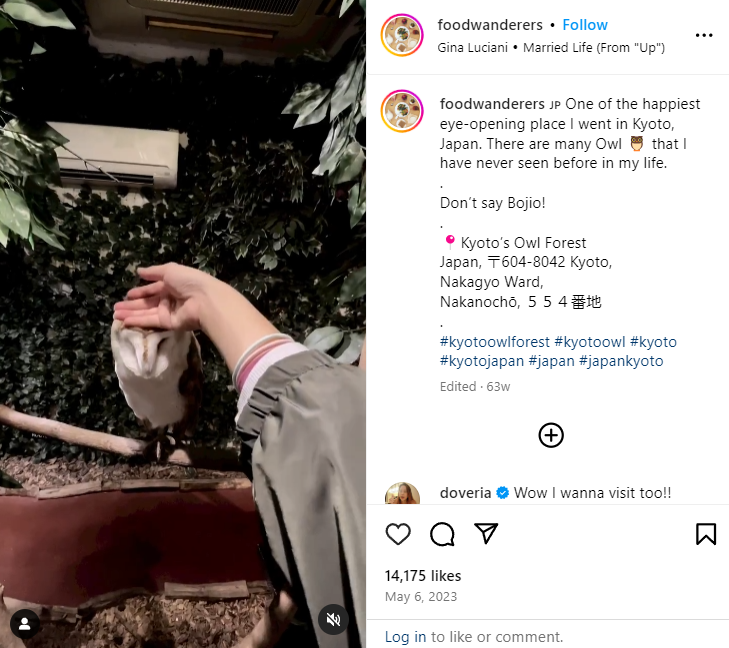
People also search online:
How important are the first 3 seconds in a video?
They determine whether viewers stay or scroll, directly impacting reach and algorithm distribution.
What happens if viewers drop off early?
The algorithm reduces your video’s visibility, even if the rest of the content is strong.
Do hooks need to be dramatic to work?
No. Clarity and relevance outperform exaggerated clickbait.
Is this strategy different for Singapore audiences?
Singapore audiences value clarity, usefulness, and authenticity over hype.
Can educational content still have strong hooks?
Yes—educational content performs best when value is stated upfront.
Join IreneKreations Telegram Channel for More Social Content Tips here.
Final Thoughts: Your Content Isn’t the Problem—Your Opening Might Be
Mastering the first 3 seconds isn’t about tricks or trends—it’s about respecting your audience’s time and attention. When you combine clarity, emotion, and immediate value right at the start, your content doesn’t just perform better—it builds trust, recognition, and long-term growth.
So before you post your next video, ask yourself: does your first 3 seconds give people a real reason to stay—or a reason to scroll?