
The Hidden Business Asset Most Companies Ignore
In today’s competitive business environment, many companies focus heavily on marketing, sales growth, automation, and productivity systems. Yet one foundational factor continues to shape team performance quietly behind the scenes: employee physical health.
A physically exhausted workforce does not only affect sick leave statistics. It impacts communication, emotional regulation, creativity, motivation, workplace culture, and social interaction within teams. Businesses often underestimate how strongly physical wellness influences morale, collaboration, and relationship-building among employees.
Understanding the connection between physical health and workplace interaction is becoming a strategic advantage rather than merely a human resources concern.
Employees who feel physically well are more likely to:
- Participate actively in discussions
- Engage confidently during networking
- Contribute ideas during meetings
- Collaborate positively with colleagues
- Represent the company professionally
- Build stronger internal and external relationships
Meanwhile, teams suffering from chronic fatigue, burnout, poor sleep, unhealthy lifestyles, or prolonged stress often experience:
- Lower morale
- Reduced communication quality
- Emotional withdrawal
- Increased conflict sensitivity
- Social disengagement
- Decreased workplace participation
In the workplace, employee social health is just as important as productivity. Poor physical health can affect teamwork, communication, and overall morale. Businesses that prioritize employee wellness often see stronger collaboration, reduced absenteeism, and a more positive company culture.
Section 1: The Impact of Poor Physical Health at Work
-
Lower Social Engagement: Sick or fatigued employees may withdraw from team activities.
-
Reduced Collaboration: Health-related mood changes can impact communication and empathy.
-
Productivity Loss: Frequent absences or low energy affect both individual and team output.
Section 2: Solutions for Businesses to Support Employee Health
-
Corporate Fitness Programs: Gym memberships, yoga classes, or walking challenges.
-
Healthy Snacks & Meal Options: Provide nutritious food in the office.
-
Ergonomic Workstations: Support good posture and prevent musculoskeletal issues.
-
Mental Health Support: Meditation sessions, counseling, or stress management workshops.
What Is Employee Physical Health in a Business Context?
Employee physical health refers to the overall physical well-being of staff members, including:
- Energy levels
- Sleep quality
- Movement and exercise habits
- Nutrition
- Stress recovery
- Immune system resilience
- Physical stamina
- Posture and ergonomics
- Workplace fatigue management
In business operations, physical wellness affects cognitive performance, emotional stability, and interpersonal communication.
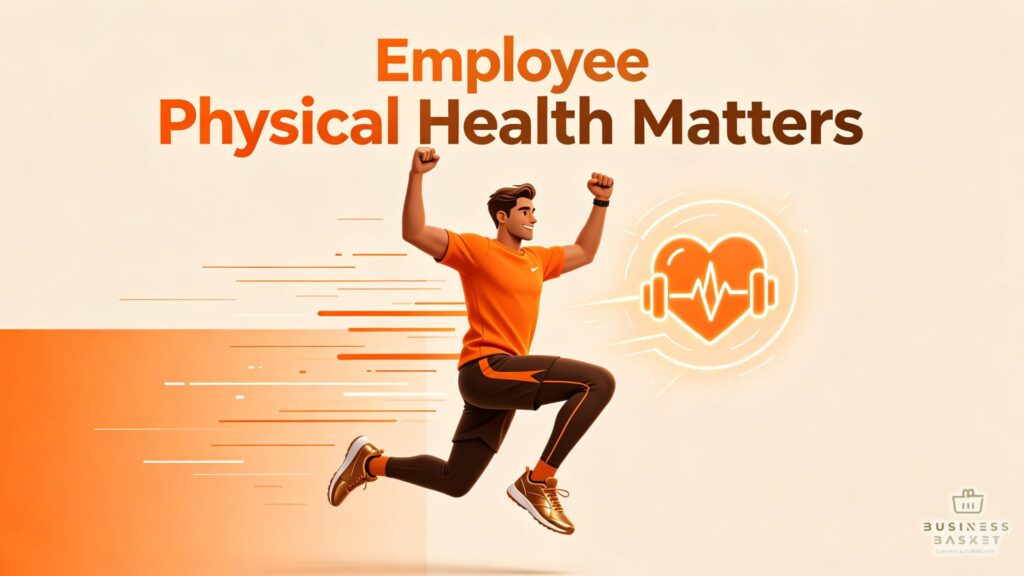
This means physical health influences not only “how employees work” but also “how employees interact.”
Companies that ignore physical wellness often notice symptoms elsewhere:
- Low motivation
- Quiet quitting
- Poor teamwork
- Reduced meeting engagement
- Weak company culture
- Higher turnover
- Social disconnection among teams
Many leaders misdiagnose these as attitude problems when the root issue is actually exhaustion, chronic stress, or burnout.
Why Businesses Should Care About Team Social Interaction
Many businesses focus only on operational productivity.
However, social interaction inside teams strongly affects:
- Employee retention
- Innovation
- Collaboration speed
- Workplace trust
- Knowledge sharing
- Conflict resolution
- Team resilience during stressful periods
Strong social cohesion creates psychological safety.
When employees feel physically and mentally capable of engaging socially, businesses often experience:
- Faster problem-solving
- Better teamwork
- Improved customer service
- Stronger leadership pipelines
- Increased employee loyalty
In contrast, unhealthy workplace cultures often emerge when employees become disconnected from one another physically and emotionally.
Which Psychological Strategies Increase Employee Engagement in Small Businesses?
While physical wellness forms the foundation, psychological engagement strategies strengthen workplace connection further.
Small businesses especially benefit from human-centered leadership because teams are smaller, relationships are closer, and emotional culture spreads faster.
Effective psychological engagement strategies include:
- Recognition-based leadership
- Value-driven company culture
- Transparent communication
- Purpose alignment
- Social belonging opportunities
- Collaborative decision-making
- Meaningful networking communities
Employees increasingly want more than salary alone.
They seek:
- Belonging
- Shared values
- Professional connection
- Emotional safety
- Supportive communities
This explains why many entrepreneurs and professionals actively search for networking groups aligned with their personality, goals, and business values.
Singapore Business Community Searches
Where can Singapore entrepreneurs find supportive business networking communities?
Many entrepreneurs in Singapore now prioritize collaborative networking ecosystems focused on relationship-building, wellness, and long-term partnerships instead of transactional selling.
Communities like Business Basket are part of the growing shift toward value-based networking environments.
Why are Singapore SMEs focusing more on employee wellness?
Businesses in Singapore increasingly recognize that employee burnout affects retention, productivity, collaboration, and customer experience. Wellness initiatives are becoming part of long-term business sustainability strategies.
Does physical exhaustion reduce innovation inside teams?
Research increasingly suggests that physical fatigue lowers creative thinking, emotional flexibility, and collaborative engagement — all essential for innovation.
Final Thoughts & Conclusion
Investing in employee physical health is more than a wellness initiative—it’s an investment in social cohesion, morale, and productivity.
Employee physical health influences far more than absenteeism or medical claims. It shapes morale, emotional resilience, social interaction, workplace culture, and ultimately business performance itself.
Healthy teams communicate better.
Connected teams collaborate better.
Energized employees engage more confidently.
Supported professionals build stronger relationships.
For modern businesses and communities like Business Basket, investing in wellness is no longer just a human resources initiative — it is a strategic growth decision.
Companies that understand the connection between physical wellness and human interaction will likely outperform those still treating employee health as an afterthought.
Because in modern business, sustainable growth begins with sustainable people. A healthy team is a connected, engaged, and high-performing team.